
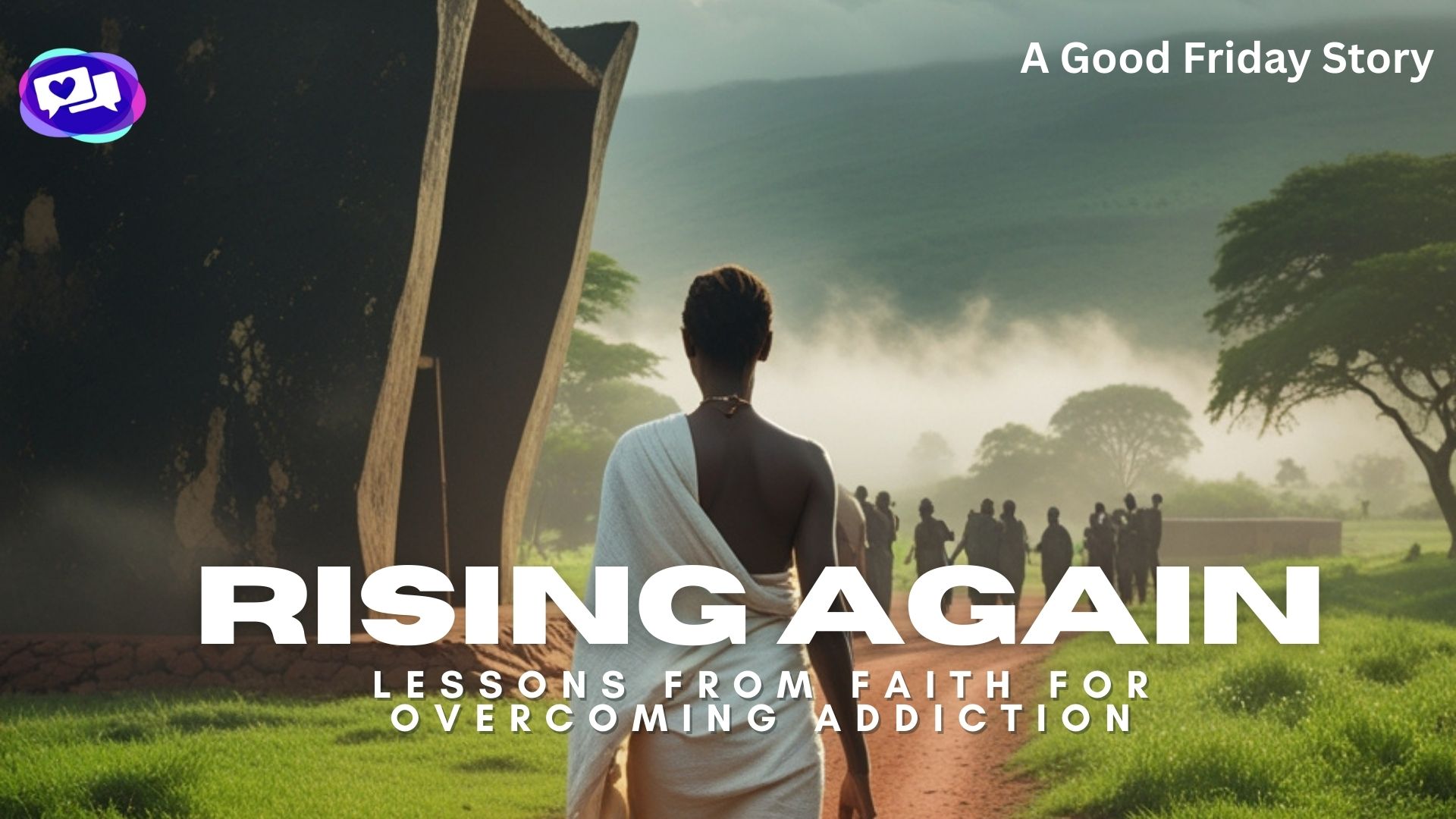
Introduction: From the Grave to Grace
Good Friday tells the story of death — the slow, painful unraveling of hope on a cross. But more importantly, it sets the stage for resurrection. For those of us in recovery, this isn’t just scripture — it’s a mirror.
Addiction, like crucifixion, is a long fall into suffering. It breaks the body, distorts the mind, and shatters the spirit. But just as Jesus rose from the grave, people in addiction can rise again — fully alive, transformed, and walking a new path. This is not just metaphor. It is spiritual reality, lived daily in recovery stories across Africa and the world.
In this article, we’ll explore the power of faith in overcoming addiction, answer frequently asked questions, and reflect on why spiritual healing is often the most tangible remedy, especially in a continent like Africa — where the word “spiritual” is often misunderstood.
What We Mean By ‘Spiritual’ (And What We Don’t)
In many African cultures, the term spiritual is immediately associated with juju, witchcraft, or ancestral curses. But here, we use spiritual in its truest human sense: the idea that every person is made of body, mind, and spirit.
Addiction attacks the spirit — the part of us that gives meaning, purpose, and direction. When the spirit is broken, the mind seeks escape and the body obeys. This is why spiritual recovery — reconnecting with your essence, your Creator, and your calling — becomes essential.
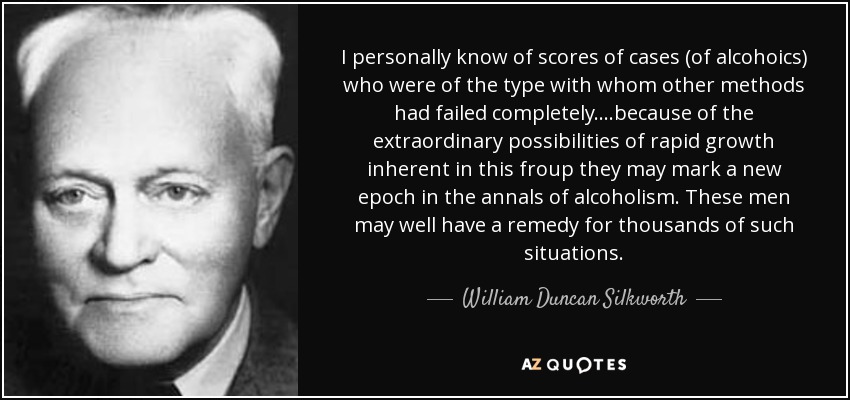
Dr. William Silkworth, a physician who treated thousands of alcoholics, called it a “psychic change.” He believed that no matter the science, true recovery required a power greater than the human will.
The Fall and the Rise: The Good Friday Analogy
On Good Friday, Christ — innocent, bruised, and mocked — is nailed to a cross. The crowd thinks it’s over. But on the third day, he rises, not just as a man, but as a symbol of redemption, power, and healing.
That is the journey of recovery.
You fall. You lose everything. People give up on you. Then… you rise.
Recovery, like resurrection, does not undo the pain — it transforms it. The scars remain, but they become signs of survival, not shame. This is why faith in recovery is not just helpful — it is vital.

How Faith Helps in Addiction Recovery
1. It offers hope when logic fails.
In moments when relapse comes, when shame says “you’ll never change,” faith whispers, “you’re not done yet.”
2. It provides structure and routine.
Prayer, meditation, and spiritual practices provide discipline and direction — the same way Jesus retreated to pray in his hardest moments.
3. It creates community.
Faith-based recovery groups, churches, and mosques offer support systems stronger than shame.
4. It allows surrender.
Recovery starts when we admit: “I can’t do this alone.” Faith says: “You don’t have to.”
A Word on Islam and Addiction
In the Qur’an (Surah Al-Baqarah 2:219), Allah acknowledges the existence of pleasure in intoxicants, but affirms that their harm outweighs any benefit. Islam encourages both personal responsibility and divine mercy.
Addiction is viewed as a spiritual disease that clouds judgment and distances a person from their Creator. But repentance (Tawbah) and recovery are always possible. The Prophet (PBUH) said, “Every son of Adam sins, and the best of those who sin are those who repent.”
Whether Christian or Muslim, the heart of recovery is always the same: a return to self, community, and God.
The Doctor’s Opinion: Why Spirituality Works
Dr. Silkworth believed that recovery requires a “psychic change” — something deeper than knowledge or behavior.
He wrote:
“Men and women drink essentially because they like the effect produced by alcohol… the sensation is so elusive they cannot differentiate the true from the false.”
This mental obsession and physical craving could only be lifted by what he called a spiritual experience — not religion, but a reconnection to life and truth.
So when people ask why prayer works, why surrender helps, or why meetings often start with silence — the answer is simple:
“Because it feeds the spirit — and addiction starves it.”
FAQ: What People Want to Know
Q: What are 3 ways to overcome addiction?
- Connection – With others who understand.
- Spirituality – Faith, prayer, and inner work.
- Structure – Daily routine, mentorship, and purpose.
Q: How do you pray to recover from addiction?
With honesty. With desperation. With surrender.
“God, help me not to use today. Help me feel peace instead.”
Q: What is the spiritual lesson of addiction?
That control is an illusion, and peace comes when we surrender to something greater. That self-will can’t save us, but grace can.
Q: How does faith help addiction?
It gives meaning to pain, purpose to progress, and people to walk with.
Conclusion: Sunday Is Coming
If you’re reading this and you’re still struggling — it may still be Friday in your story. But remember: Sunday is coming.
Addiction is a kind of death. But recovery is a kind of resurrection. With faith, support, and surrender, you will rise again. Not as the person you were before — but as someone stronger, wiser, and whole.
Your scars don’t mean it’s over. They mean you’re still here.
References
- Silkworth, William D., M.D. – The Doctor’s Opinion, reprinted from the Big Book of Alcoholics Anonymous.
🔗 https://www.aa.org/the-doctors-opinion - Overcoming Addiction with Faith: Finding Hope After Relapse – FHE Health.
🔗 https://fherehab.com/learning/faith-in-recovery - How Faith in God Plays a Role in Recovery From Addiction – Lighthouse Network.
🔗 https://lighthousenetwork.org/resources/faith-and-recovery/ - Spirituality in Recovery from Substance Use Disorders: A Review of the Literature – Journal of Religion and Health, Springer (2019).
🔗 https://link.springer.com/article/10.1007/s10943-019-00876-w - The Quran, Surah Al-Baqarah 2:219 – on intoxicants and harm.
🔗 https://quran.com/2/219 - Alcoholics Anonymous (Big Book) – AA World Services.
🔗 https://www.aa.org/pages/en_US/alcoholics-anonymous
Related Posts

Rebuilding Trust Without Surveillance: Love, Boundaries & Letting Go of Control

Love After Addiction: What Healthy Relationships Actually Look Like