
Across the globe, the rise of synthetic drugs has reshaped the landscape of substance abuse. From synthetic opioids like fentanyl, which has fueled an overdose crisis in North America, to synthetic cannabinoids often marketed as “legal highs,” these lab-made substances are spreading at an alarming rate. Unlike naturally derived drugs such as heroin or cocaine, synthetic drugs are chemically engineered, making them cheaper to produce, easier to smuggle, and often far more potent—with devastating consequences.
Africa is now witnessing a surge in synthetic drug production, trafficking, and use, particularly in West Africa, where synthetic opioids and new psychoactive substances (NPS) are increasingly found in local drug markets. This article explores what synthetic drugs are, their different classifications, and their growing impact on Africa.
What Are Synthetic Drugs?
Synthetic drugs are man-made chemical substances designed to mimic the effects of natural drugs such as cannabis, opioids, and stimulants. They are often stronger, more unpredictable, and harder to regulate due to their constantly evolving chemical structures. These drugs fall into several categories:

1. Synthetic Opioids
- Definition: Lab-created substances that act on the brain’s opioid receptors, similar to heroin and morphine but often much stronger.
- Examples: Fentanyl, Tramadol, U-47700, Nitazenes.
- Dangers: Extremely potent; even small doses can lead to overdose and death.
2. Synthetic Cannabinoids (“Fake Weed”)
- Definition: Chemicals designed to mimic THC, the active compound in cannabis.
- Examples: K2, Spice, Kush.
- Dangers: Can cause extreme psychosis, seizures, and unpredictable effects on mental health.
3. Synthetic Stimulants (“Bath Salts”)
- Definition: Drugs that mimic the effects of cocaine, methamphetamine, or MDMA.
- Examples: Flakka, Mephedrone, Alpha-PVP.
- Dangers: Known to cause extreme aggression, paranoia, and heart complications.
4. New Psychoactive Substances (NPS)
- Definition: A broad category of unregulated synthetic drugs that constantly evolve to avoid detection.
- Examples: Benzodiazepine analogs, hallucinogenic amphetamines, and designer opioids.
- Dangers: Unpredictable effects due to unknown potency and chemical structure.
The Synthetic Drug Crisis in Africa
While synthetic drugs were once seen as a Western problem, they are now rapidly expanding across Africa, reshaping the continent’s drug markets. Several factors have contributed to this surge:




1. The Rise of “Kush”, “Colos” and Other Synthetic Cannabinoids
- Countries Affected: Ghana, Nigeria, Sierra Leone, The Gambia.
- Why It’s a Problem: Cheap, accessible, and laced with dangerous chemicals.
- Health Impact: Psychosis, organ failure, violent behavior.
2. Synthetic Opioids Fueling Addiction
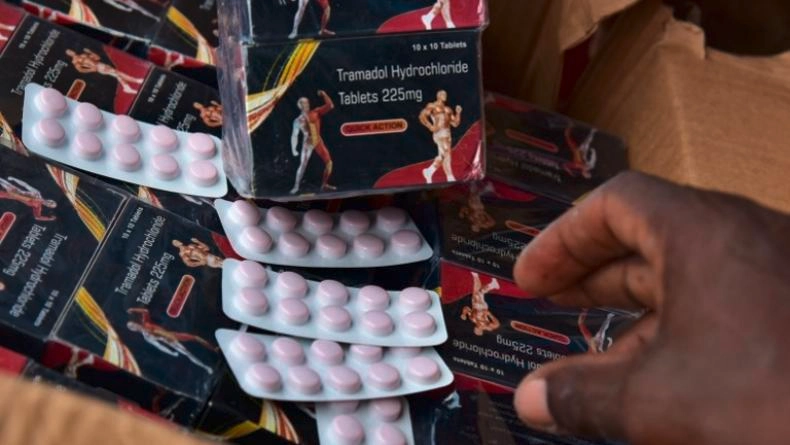
- Tramadol and fentanyl analogs are widely abused in Nigeria, Egypt, and Ghana.
- Nigeria is a major hub for Tramadol trafficking, with seizures of millions of tablets in recent years.
- In West Africa, synthetic opioids have replaced heroin in many markets due to their low cost and high potency.
3. Weak Regulations and Law Enforcement Challenges
A rise in counterfeit pharmaceuticals—some laced with synthetic opioids—poses additional risks.
Many African nations lack comprehensive policies to regulate synthetic drugs.
Drug traffickers exploit porous borders and weak law enforcement.
Frequently Asked Questions (FAQs) About Synthetic Drugs
Q1: Which opioids are entirely synthetic?
- Answer: Fentanyl, Tramadol, U-47700, and Nitazenes are all fully synthetic opioids.
Q2: What drugs are considered opioids?
- Answer: Natural (morphine, codeine), semi-synthetic (heroin, oxycodone), and synthetic (fentanyl, tramadol) opioids.
Q3: What are the synthetic sources of drugs?
- Answer: Synthetic drugs are lab-manufactured chemicals designed to mimic natural substances but with altered chemical structures.
Q4: What is the classification of synthetic opioids?
- Answer: Fully synthetic (fentanyl, tramadol), fentanyl analogs (carfentanil, sufentanil), and new designer opioids.
Q5: What is the most used drug in Africa?
- Answer: Cannabis remains the most used drug, but Tramadol and “Kush” (synthetic cannabinoids) are rising in popularity.
Q6: What was the first synthetic drug?
- Answer: Chloral hydrate (a sedative) was the first fully synthetic drug, created in the 19th century.
Q7: What drugs are produced in Africa?
- Answer: While Africa primarily imports drugs, some synthetic cannabinoids (like Kush) are being locally produced and modified.
Conclusion
The rise of synthetic drugs poses a serious challenge to public health, law enforcement, and policymakers in Africa. With synthetic opioids replacing heroin, synthetic cannabinoids fueling addiction, and weak regulations enabling the spread of NPS, urgent action is needed to address this growing crisis.
By increasing awareness, implementing stronger regulations, and supporting addiction recovery efforts, African nations can mitigate the devastating impact of synthetic drugs before the problem spirals out of control.

References
- National Institute on Drug Abuse (NIDA) – Synthetic Cannabinoids Overview
- Global Initiative Against Transnational Organized Crime – “Kush and the Growing Synthetic Drug Challenge in West Africa”
- World Health Organization (WHO) – Reports on opioid crisis and NPS in Africa
- West Africa Workshop on Synthetic Drugs: Trafficking and Law Enforcement Efforts
- Rapid Assessment of Synthetic Drugs in Nigeria: Knowledge, Attitudes, and Practices
- Highly Potent Opioids in Africa: Emerging Trends and Risks
- UN News on Synthetic Drugs Expansion: Impact on Illicit Markets
Related Posts

Rebuilding Trust Without Surveillance: Love, Boundaries & Letting Go of Control

Love After Addiction: What Healthy Relationships Actually Look Like