
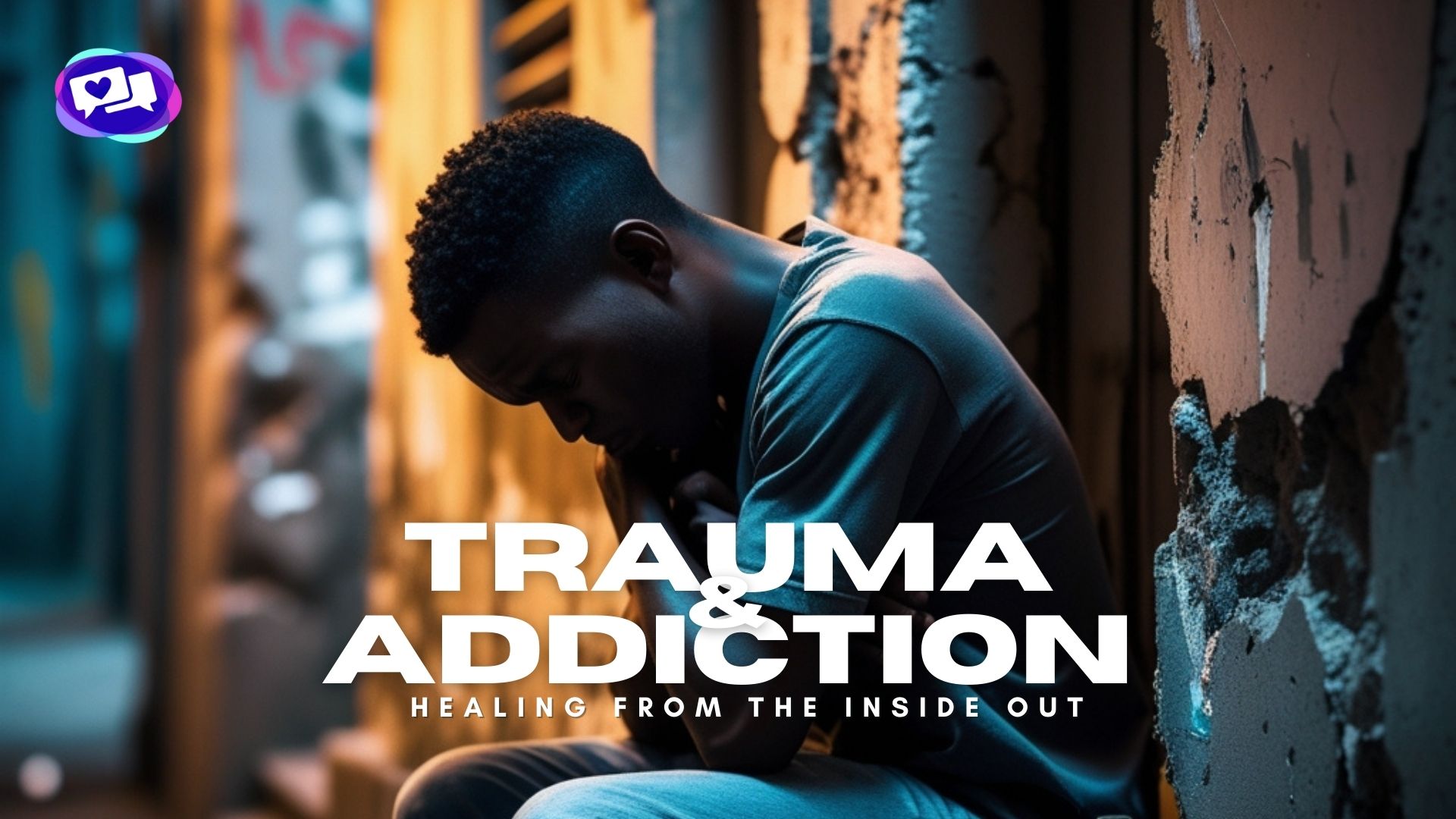
Where It Hurts, It Begins
Addiction is often misunderstood as a moral failure or a bad habit. But what if it begins with pain? Not the kind you bandage, but the kind you bury — deep in the mind, the heart, the body. This kind of pain has a name: trauma.
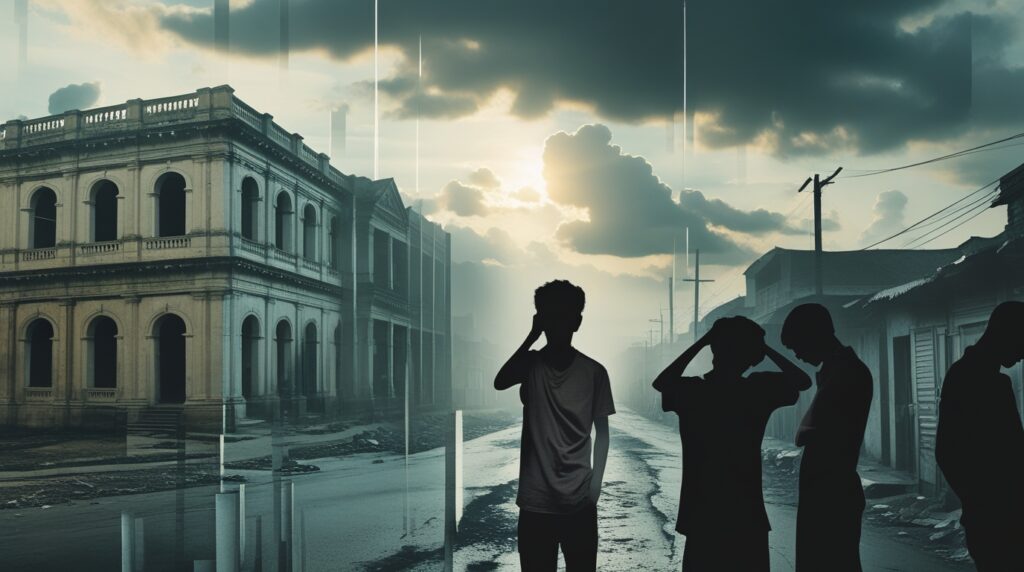
In cities across Africa, where poverty, displacement, violence, and generational wounds intersect, trauma runs deep. From children exposed to abuse, to young adults who watched their dreams collapse under social pressure, to entire communities carrying the legacy of colonization and systemic neglect — unhealed trauma is everywhere.
And where trauma goes unhealed, addiction takes root.
What Is Trauma — And Why Does It Lead to Addiction?
Trauma is not just about what happens to you — it’s about what happens inside you as a result. It alters the nervous system, disrupts emotional regulation, and changes the brain’s reward and threat systems. When the body holds on to fear, shame, or pain, the mind starts searching for relief.
That’s when substances, behaviors, or compulsions become appealing.
- Alcohol numbs emotional pain
- Cannabis dulls anxiety
- Opioids soothe deep despair
These aren’t just “bad choices” — they’re survival tools that eventually become prisons. The real issue isn’t the substance — it’s the unprocessed trauma that makes the substance feel like the only escape.
What Is the African Root for Addiction?
It’s easy to point to drugs, unemployment, or peer pressure. But the African root for addiction runs deeper:
- Colonial trauma – centuries of cultural erasure and oppression
- Post-colonial instability – war, forced migration, family breakdown
- Silence around mental health – emotions are buried, not processed
- Religious shame – addiction seen as sin, not suffering
In African cities, especially, the report from Veda Wellness reveals that substance use is often linked to urban trauma: crime, neglect, sexual abuse, and economic frustration.
The root? A spirit wounded by life, searching for peace in anything that numbs it.
What Are the Three Main Addictions?
While addiction takes many forms, the most commonly reported in African settings are:
- Alcohol – Socially accepted, easily accessible, emotionally numbing
- Cannabis (especially Kush) – Popular among youth, often laced with synthetic chemicals
- Opioids (like Tramadol) – Used for both physical and emotional pain, highly addictive
Beyond substances, behavioral addictions (like gambling or sex) are rising, especially in trauma-impacted environments.
How Does Addiction Affect a Person?
The damage of addiction runs far deeper than what’s visible:
- Neurological impact – Alters brain chemistry and decision-making
- Emotional paralysis – Stunts the ability to feel or regulate emotions
- Spiritual deadening – Disconnects a person from their values and purpose
- Relational fallout – Breaks trust, isolates the person, breeds shame
As the Advanced Therapeutic Services article explains, addiction becomes a form of self-medication — until it begins to create more pain than it ever numbed.
Healing the Spirit: Beyond Sobriety
In African societies, the word “spiritual” often conjures images of juju or curses. But here, when we say healing must be spiritual, we mean it must go to the root of the human being.
Every person is made of body, mind, and spirit.
- The body may detox.
- The mind may go to therapy.
- But the spirit — the part that feels meaning, connection, safety — must be restored too.
Because addiction is a disease of disconnection. And recovery is about reconnection: to self, to others, to God.

“You can’t heal trauma with punishment. You can only heal it with compassion.”
Trauma-informed care — the approach that understands behavior as a response to pain — is the model the African recovery world desperately needs. It recognizes that relapse isn’t rebellion; it’s often a cry for safety. And that healing starts from the inside out.
Frequently Asked Questions (FAQs)
Q: What is the African root for addiction?
A: Unhealed trauma — especially from colonialism, war, silence, and spiritual disconnection.
Q: What are the three main addictions?
A: Alcohol, cannabis (Kush), and opioids (like Tramadol).
Q: How does addiction affect a person?
A: It impacts the brain, emotions, spirit, relationships, and identity. It’s not just physical — it’s total.
It’s Not Too Late To Heal
If you’ve spent years trying to numb something — ask yourself what needs to be felt. What story needs to be heard. What part of you needs to be seen, held, loved.
Addiction doesn’t start with the first drink or pill. It starts with a wound. But that means healing is possible — not just with discipline, but with compassion.
And for Africa, healing addiction means healing our people from the inside out.
References
- How Trauma Fuels Drug Addiction in African Cities – Veda Rehabilitation & Wellness
🔗 https://vedawellnessworld.com/how-trauma-fuels-drug-addiction-in-african-cities - How Trauma Influences Addiction and the Critical Role of Trauma-Informed Care – Advanced Therapeutic Services
🔗 https://advancedtherapeuticservices.com/how-trauma-influences-addiction-and-the-critical-role-of-trauma-informed-care - Substance Use and Mental Health in Africa – World Health Organization
🔗 https://www.afro.who.int/health-topics/substance-abuse - Understanding Addiction – National Institute on Drug Abuse (NIDA)
🔗 https://nida.nih.gov/publications/drugfacts/understanding-drug-use-addiction - Spirituality in Recovery – American Addiction Centers
🔗 https://americanaddictioncenters.org/rehab-guide/faith-and-spirituality - The Body Keeps the Score – Bessel van der Kolk, M.D. (book) 🔗 https://www.penguinrandomhouse.com/books/227295/the-body-keeps-the-score-by-bessel-van-der-kolk-md/
Related Posts

Love After Addiction: What Healthy Relationships Actually Look Like
Amends-Lite for Relationships: Repair Without Reopening Old Wounds